아이드림센터(난임)
난임 치료의 기준을 만들어온, 임신과 출산의 기쁨을 함께하는 아이드림센터입니다.

아이드림연구소
미즈메디병원은 난임분야의 선두주자로서 난임의료 서비스 분야에서 국내 최초로 ISO인증을 받았니다.
진료시스템의 표준화와 체계적인 관리를 통해 세계적 수준의 난자/정자/배아 관리를 해오고 있으며
최첨단 시설과 장비를 갖추어 항상 연구하고 발전하는 자세로 최신 난임기술의 개발 및 보급에 최선을 다하고 있습니다.
아이드림 연구소
최첨단 체외배양시스템 설치, 배아를 위한 최고의 환경
- 클린룸 시설을 갖춘 배양실과 에어샤워시스템을 도입하여 배양실 세균과 미세먼지를 철저하게 차단하여 배아의 체외배양 시 최적의 대기환경을 조성하고 있습니다. 배아의 성장 단계를 가장 최적화된 상태에서 관찰할 수 있는 Time Lapse 배아 모니터링 시스템을 갖추었습니다. 본 시스템은 체외수정된 배아를 배양기안에서 이식날까지 배양기 밖에서의 분석 없이 실시간 배아 관찰과 분석이 가능하여, 외부 유해물질의 유입을 방지하고, 이식을 위한 최적의 배아 선별이 가능하여 임신률 향상에 큰 도움이 되고 있습니다. 각 배아의 독립적인 배양 공간을 확보해주는 배양기 (G210 InviCell Long Term Incubator with individual chambers)를 도입하여 최상의 배양 조건을 유지함으로써, 임신율 향상에 기여하고 있습니다.
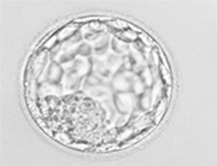
배아의 새로운 동결방법 도입으로 임신율 향상
- 세계적으로 이식하고 남은 여분의 배아를 동결 보존하는 방법 중 유리화 동결방법이 점차 확산되어가고 있는 추세입니다. 미즈메디병원은 본원만의 유리화 동결방법술로 이식 후 남은 배아를 동결한 뒤 융해 하였을 때 60%를 상회하는 높은 임신 성공률을 보이고 있습니다.
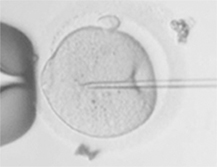
착상 전 유전자 검사 (Preimplantation Genetic Testing)
-
염색체 수 이상을 선별하는 검사이며, 35세 이상 또는 반복된 임신 실패환자에서 권장합니다.
염색체 수가 비정상인 배아는 착상률이 낮고 유산 확률이 높기 때문에, 정상 염색체를 가진 배아를 선별하는 과정은 시험관아기시술의 임신율을 높이는 데에 도움을 줍니다.
또한 염색체 구조 이상을 가진 부부에게도 권장합니다.
균형 전좌나 역위를 가진 부모의 경우, 정자나 난자 생성 과정에서 비정상적인 염색체 배열을 가진 배아가 만들어 질 수 있으며, 이는 착상 실패나 유산의 원인이 됩니다.
정상 배아 선별로 착상률을 높일 수 있고 유산율을 감소시킬 수 있습니다.
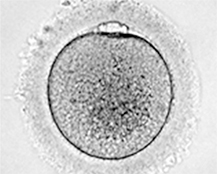
아이드림 연구소 연구분야
A. Spermatology and Andrology
- (1) Sperm Induction of acrosome reaction in spermatozoa accelates development of fertilized human oocyte after intracytoplasmic sperm injection. (52th ASRM, 1996).Identification of round spermatid from testis biopsy and its application in human ART program. (10th World Congress on IVF & ART, 1997) Detailed semen analysis and ICSI in azoospermia-like infertile patients. (53th ASRM, 1997)
- (2) AZF and Microdeletion Microdeletions of Y Chromosome in Korean Male Infertility Patients (5th ICA,1997) Evaluation of spermatogenesis by DAZ and protamine-2 gene in human testis biopsy (5th ICA, 1997) The Incidence of microdeletion and the frequency of AZFa, b, c deletion in male infertility patients. (53th ASRM, 1997)
- (3) ART Application of ICSI or ROSI by testicular biopsy in non-obstructive azoospermia.(53th ASRM, 1997) Analysis of fertilization, embryonic development and pregnancy rates after ICSI using spermatozoa obtained from fresh or frozen-thawed testicular tissues (54th ASRM, 1998)
B. Oogenesis and Folliculogenesis
- (1) Oocytes Production of mature oocyte from frozen-thawed primordial follicular oocyte by reconstruction with cytoplasm of full grown germinal vesicle(GV)-stage oocyte. (55th ASRM, 1999)
- (2) Follicle In vitro Growth of Primordial Follicular Oocyte in the Frozen-Thawed Ovarian Tissue of Neonatal Mouse (54th ASRM, 1998) Steroidogenesis in the Frozen-Thawed 18 Weeks Human Fetal Ovarian Tissues Cultured In Vitro (54th ASRM, 1998) TGF βI and TGF βII were detected from fresh 18 weeks fetal ovarian tissue in human.
- (3) Ovarian Endocrinology Expression of Melatonin receptor gene in mouse gonad. (54th ASRM, 1998) The synergistic effect of VIP and FSH in vitro on the expression of FSH receptor gene in human fetal ovary. (55th ASRM, 1999) Expression of receptor genes for gonadotrophins and estrogens, and biosynthesis of estrogen in mid-gestational stage of human ovarian tissues. (55th ASRM, 1999) Expression and localization of cell cycle-related proteins and receptor genes for gonadotropins, estrogen, and aromatase in human fetal ovaries; a preliminary study (International Workshop on Early Folliculogenesis and Oocyte Development,1999) The effect of vasoactive intestinal peptide on estradiol biosynthesis in human fetal ovarian tissue in vitro.(International Workshop on Early Folliculogenesis and Oocyte Development 1999)
C. Embryogrnrsis, Hatching and Implantation
- (1) Embryology Regulation of embryonic genome activation and compaction by the transfer of cytoplasm transfer with inhibitors of protein synthesis or protein kinase in mouse. (32th SSR, 1999)
- (2) Hatching Biochemical Assisted Hatching by Proteases Increased Pregnancy Rates in Human IVF-ET Program (1996' ASRM) Application of biochemically assisted hatching(BAH) by proteases in human assisted reproductive technology program. (53th ASRM, 1997) Improvement of pregnancy and implantation rate by biochemical assisted hatching in human IVF-ET. (11th World Congress on IVF & Hum Reprod Genet, 1999) Outcome of Biochemical Assisted Hatching in 1068 IVF-ET Cycles Using Pronase in Human Assisted Reproductive Technology. (11th World Congress on IVF & Hum Reprod Genet, 1999) Biochemical assisted hatching(BAH) increased the implantation and pregnancy rate in human cryopreserved embryo transfer. (55h ASRM, 1999)
- (3) Implantation Regulation of integrin a1, av, and b3 gene expression by leukemia inhibitory factor(LIF) during blastocyst outgrowth in the mouse.(30th SSR, 1997)
D. ART
- 1) Hatching and outgrowth according to various freezing procedures in mouse blastocyst cryopreservation. (12th ESHRE, 1996)
- (2) Pregnancy from Translocation carrier patient with recurrent abortion by preimplantation genetic diagnosis using fluorescence in-situ hybridization. (52th ASRM, 1996)
- (3) Assisted Reproductive Technology Program by Immature Oocyte Retrieval in Non-stimulated Cycle (54th ASRM, 1998)
- (4) Clincial use of immature oocyte from normal and PCO women in non-stimulated IVF-ET program. (55th ASRM, 1999)
E. ROS (Reactive Oxygen Species)
- (1) Effect of the antioxidant supplemented into semen or sperm washing medium on functional parameter of human spermatozoa (KSFS 2006)
- (2) Correlation between seminal parameter of patients and sperm DNA fragmentation estimated by comet assay (KSFS 2006)
F. Stem cells
| Adult stem cells |
|
|---|---|
| mbryonic stem cells |
|
G. Genetics
| Cytogenetics |
|
|---|---|
| Molecular genetics |
|
H. Evaluating molecular mechanisms involved in ovarian aging and premature ovarian insufficiency (POI)





서울특별시 강서구 강서로 295
의)성삼의료재단 미즈메디병원
대표전화 : 1588-2701 대표 : 노성일 사업자등록번호 : 109-82-06699
대표전화 : 1588-2701 대표 : 노성일 사업자등록번호 : 109-82-06699
COPYRIGHT© MIZMEDI HOSIPTAL. ALL RIGHTS RESERVED.